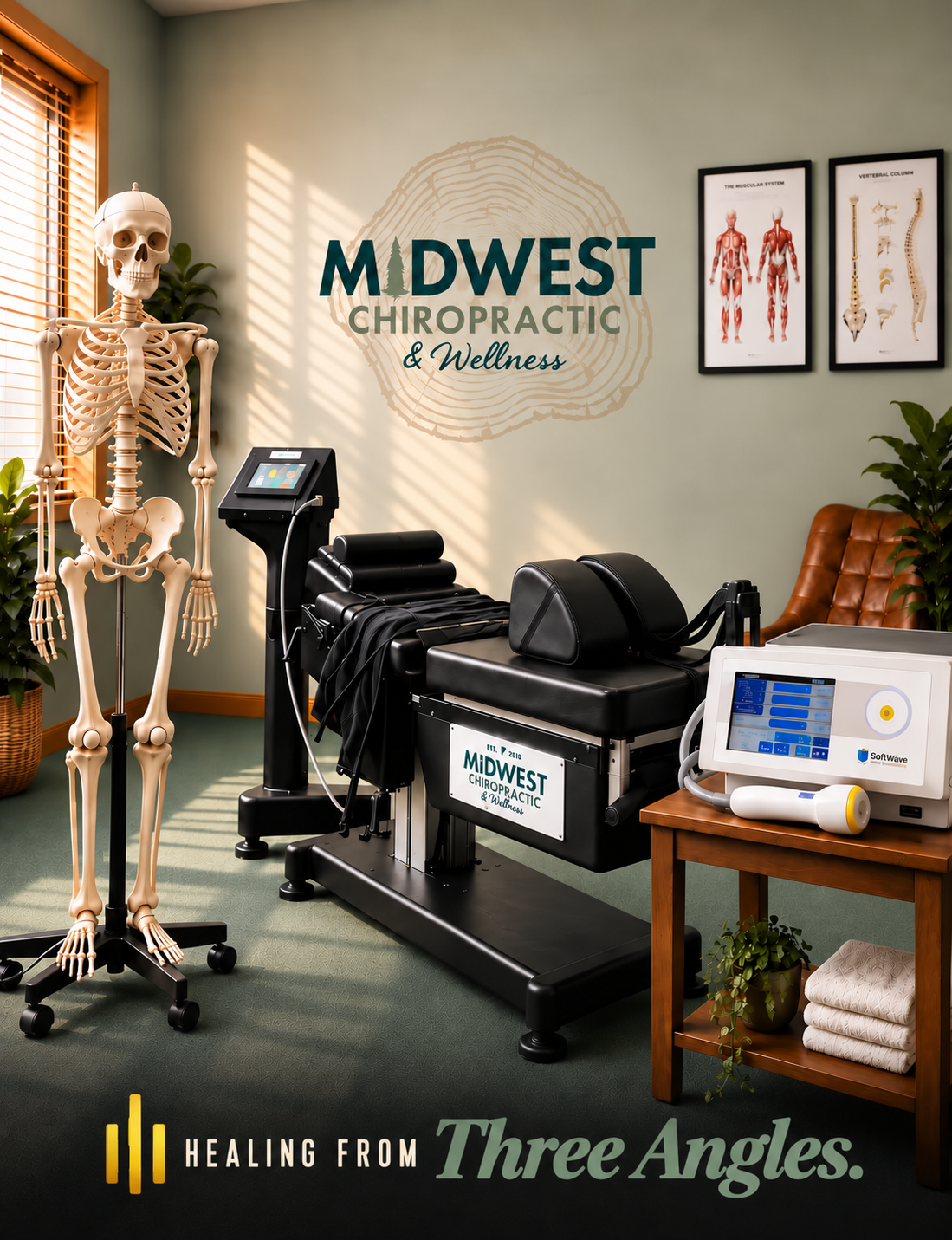
— The Problem
When joints stop moving the way they should, the body starts compensating. Muscles tighten. Irritation builds. Pain creeps in. Precision adjustments help restore motion so the system can calm down and function properly again.
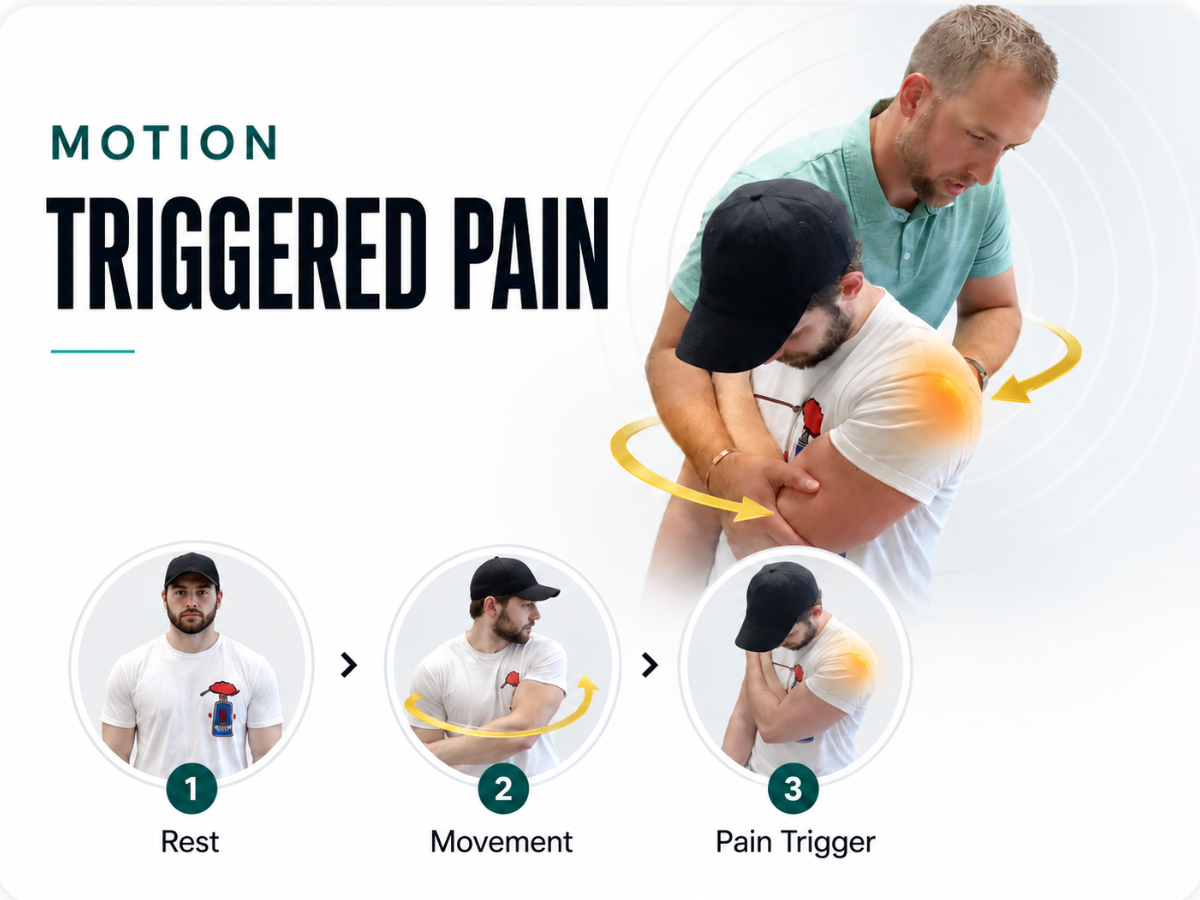
You're fine at rest, but specific motions trigger pain — twisting, standing, looking over your shoulder. Often a sign the joint isn't moving properly.

No matter how much you stretch or massage, the same spot keeps tightening. Usually points to an underlying motion issue - not just muscle tension.
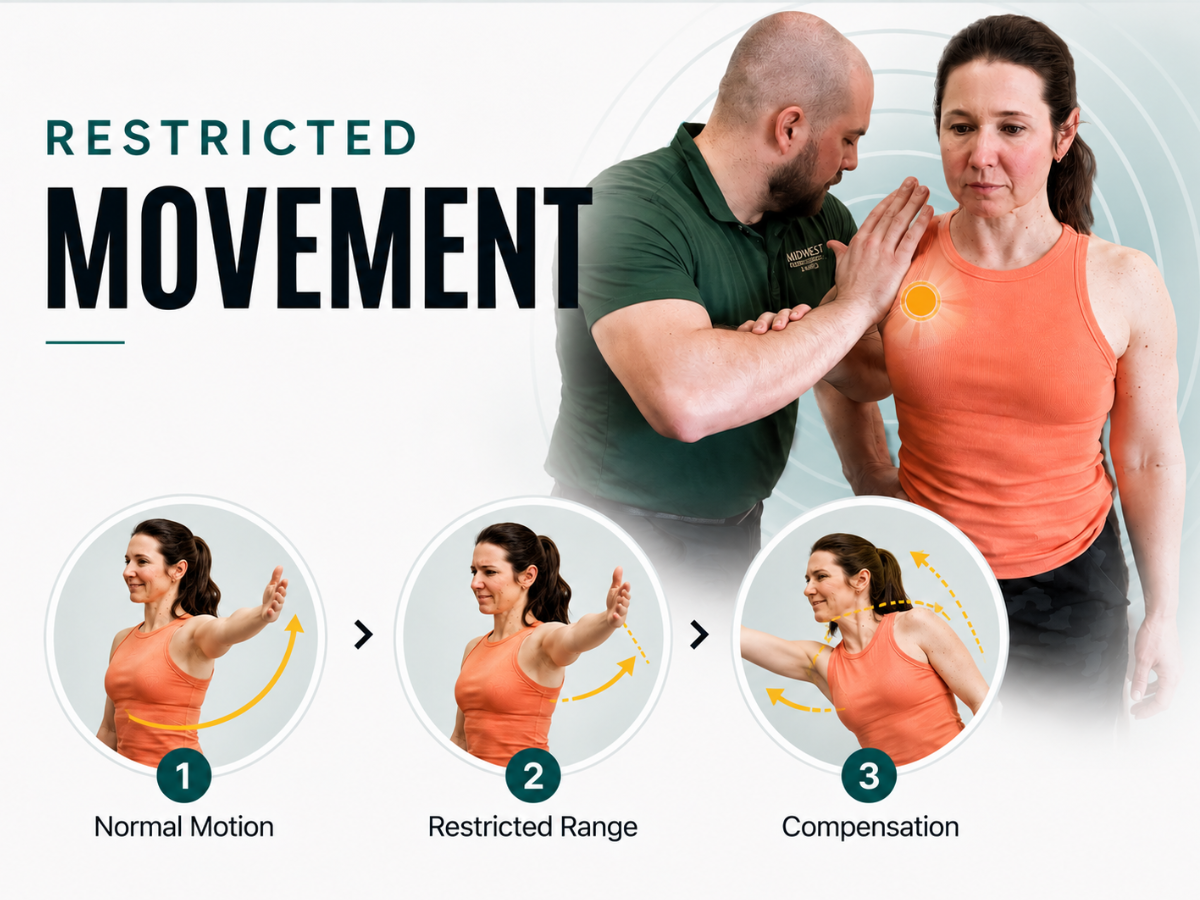
When turning, bending, or reaching feels limited or uneven; Adjustments help restore clean, natural motion so your body isn't fighting itself.
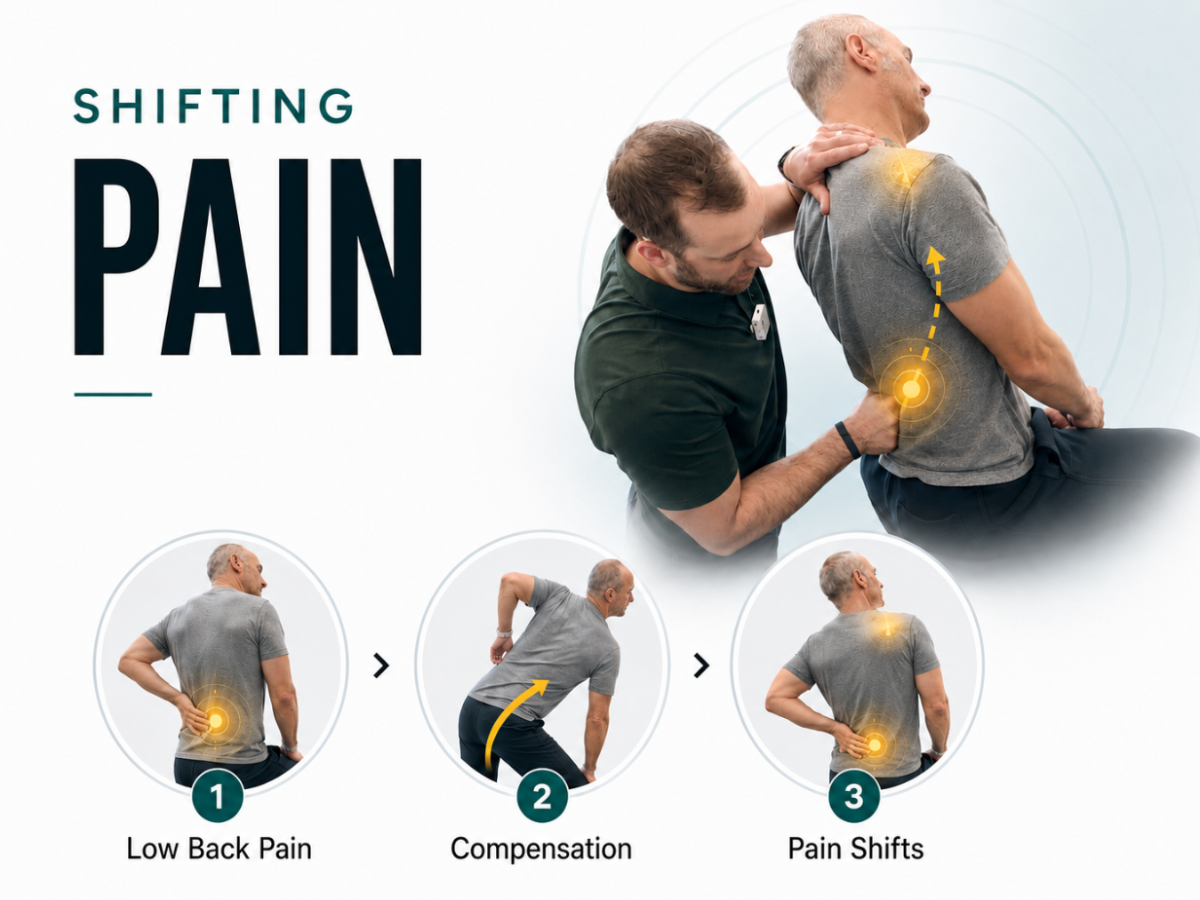
One day it's your low back, the next it's your hip or upper back. When joints aren't moving well, your body compensates — and symptoms travel.
— What it actually does
A precision adjustment, in a nutshell, is a specific input to a joint that isn’t moving well — to reset its natural motion.
Adjustments should never be random or generalized. We apply the adjustment therapy based on a full movement assessment — including extremity and muscle testing, motion palpation, and more.
01
Returns motion to joints that aren’t moving cleanly, so bending, twisting, and rotating can happen with less restriction.
02
Better joint motion helps distribute pressure and load more evenly instead of forcing nearby areas to compensate.
03
When the underlying restriction is addressed, surrounding muscles can stop bracing and begin to relax and start the healing process.
— Matching the Right Therapy
Some conditions and patterns make our patients strong candidates for Precision Adjustments.
Patients dealing with other patterns or conditions simply means we carefully evaluate before deciding to treat.
— Expected outcomes
An adjustment can restore motion to a joint that isn’t moving well. What happens next depends on what your body does with that motion between visits.
Your day-to-day movement matters, ALOT! If you spend eight hours at a desk, one adjustment a week can’t undo everything your body rehearses the rest of the time.
Get restricted joints moving again.
Use better motion in daily life.
Build ability to maintain the change.
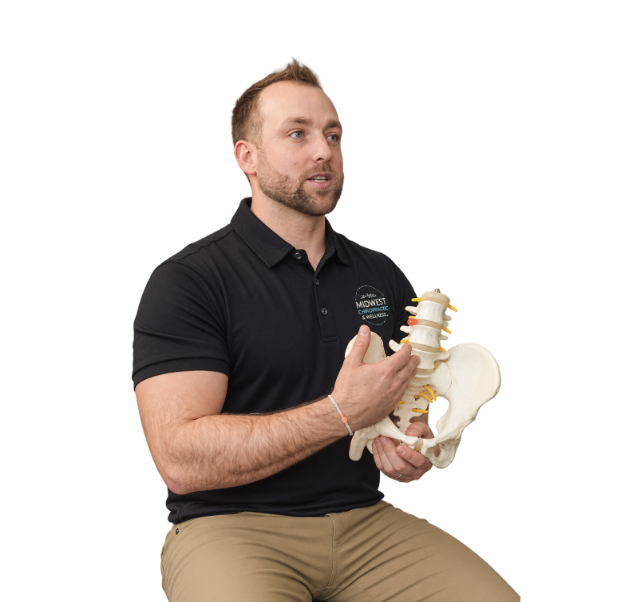
What matters is whether your symptoms and function are moving in the right direction during treatment.
Early care is usually more focused. Depending on how your body responds, 1–2 visits per week may be appropriate while we work on restoring motion and reducing restriction.
As movement improves and your body begins maintaining those changes, we intentionally reduce frequency as you increase your out-of-clinic mobility & daily movements patterns.
We’re not trying to keep adjusting you forever. Adjustments are used with purpose—to restore motion, reinforce better patterns, and help your body be less dependent on correction.
We should know fairly quickly whether Precision Adjustments are the right lever for your body.
If you’re not responding the way we expect, we change the plan. That may mean activating another part of the Healing System, such as SoftWave or Decompression, or referring you to someone in our trusted network of providers.
We will get you to the right people.
— Proof in Restored Motion
Precision adjustments in action. Along with patient education, stories and good ole’ fashion fun times at the clinic. Nothing beats real people talking through how they came in with the same questions you’re asking now.
"Precision Adjustments in Action"
"We stopped guessing — and things finally moved."
"Welcome To The Clinic – 90's Sitcom Style"
"These two Doctors, are remarkable!"
"Laughs are always a good vibe for healing"
"Big Cracks are NOT Important – Chiropractic Myths"
"Every Adjustment, Everywhere, All At Once"
"Bad Shoulders. Great Strengthen Tips – Dr. Mitch's Gym Chats"
"Having Fun, But Delivering The Goods"
"A Great Precision Adjustment Walkthrough – Dr. Zach brings the thunder"
"How to Hit the High Note with Precision Adjustments"
— Your First Visit
Some people feel a difference quickly once things start moving again. Others need more time for stiffness and compensation patterns to unwind.
Here’s Exactly What To Expect.↓
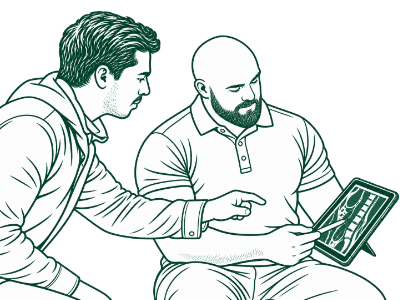
We start with what you’re feeling, then test movement, restriction, and compensation patterns to see what’s driving the issue — and whether an adjustment makes sense today.
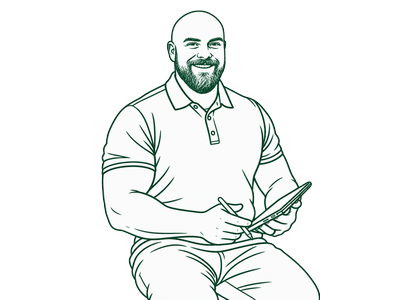
We talk together about what we discovered, where your body is compensating and how it may connect to your symptoms — clear and honest, no hidden agendas.
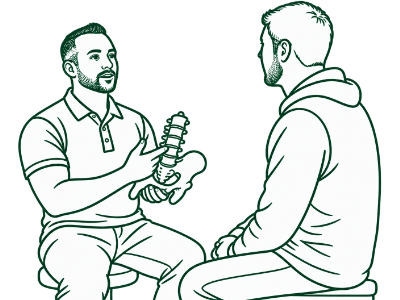
If an adjustment fits your case, we choose the technique that fits your body — direct, gentle, or assisted. The goal is to: Restore Motion, Reduce Restriction & Improve Movement.
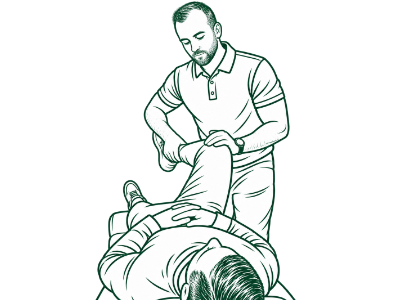
We retest what changed and how your body responded, then decide what comes next based on that response — not a preset script. We have lots of tools and lots of options.
30-40 min
10-15min
No Fixed, High Pressure Scheduling
–your care evolves based on how your body responds.
The hardest part is taking the first step.
After that, you’ve got an entire team in your corner.
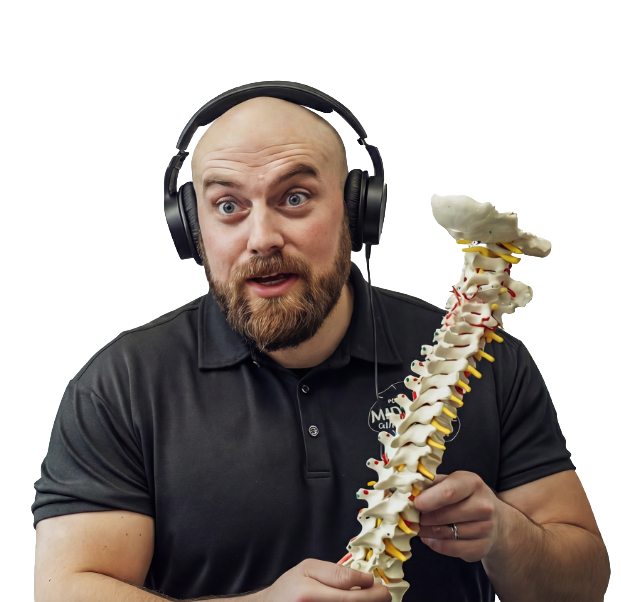
— THE MIDWEST CHIRO APPROACH
Sometimes Precision Adjustments are enough!
Other times, we coordinate multiple therapies to address deeper issues or a different part of the problem.
This interactive guide needs JavaScript. You can call 952-303-4590 or text 952-333-4368 with a question.
— FAQ’s
If you’ve been hesitant about chiropractic care, this section is for you.
— No fluff just what we’d tell a friend asking the same thing.
Text or call the docs directly — fastest way to get a real answer.
☎️ CALL US
·
💬 TEXT US
Joints can lose normal movement because of injury, repetitive stress, posture, inflammation, or muscle imbalance. When one area becomes restricted, surrounding muscles and joints often begin compensating.
A precision adjustment is used to restore motion where it is actually needed and reduce that mechanical stress.
For most people, chiropractic adjustments are considered safe when performed by a trained chiropractor.
We evaluate you first and screen for conditions that may require extra caution or a different approach. If an adjustment isn’t appropriate for you, we’ll tell you.
Usually not. Most patients describe a quick, controlled pressure or movement. If an area is especially irritated or sensitive, we can use gentler or assisted techniques.
Mild soreness afterward can happen, similar to what you might feel after exercise, and typically settles quickly.
That sound is called cavitation — a release of gas within the joint during movement. It’s normal, but it is not the goal of the adjustment.
Restoring motion is the goal, and plenty of effective adjustments make little or no sound.
Sometimes, yes! Many patients notice easier movement or less discomfort right away, while others notice changes over the first few visits.
Long-standing problems often take more time because the body has been compensating around the restriction for a while.
There isn’t one preset number. It depends on what we find, how long the problem has been present, and most importantly, how your body responds.
Early care may be a little more frequent while we restore motion. As your body begins holding those changes, we intentionally reduce frequency.
The goal is not more visits. It’s helping your body need less correction over time.
No.
Some people choose occasional maintenance care because they like how they move and feel afterward. Others return only when something changes.
We don’t believe everyone belongs on the same permanent schedule. Your care should change as your body changes.
Yes — and sometimes that is exactly what makes sense!
Precision Adjustments address motion and joint restriction, while therapies such as SoftWave TRT, Spinal Decompression, and movement-based rehabilitation address different parts of the problem.
That is the purpose of our 3-Point Healing System: use the right therapy for the right problem at the right time instead of expecting one treatment to do everything.
If your movement and symptoms aren’t responding the way we expect, we don’t just keep repeating the same adjustment.
We may shift toward another part of the Healing System, such as SoftWave TRT or Decompression, or refer you to someone in our trusted clinical network.
If it isn’t working, we change the plan.
Many insurance plans include chiropractic benefits, but coverage varies by plan.
We can help review your benefits and explain expected costs before beginning care so you know what to expect.
— Ready when you are
If motion is the missing phase — let’s restore it together.