— The Problem
Back and neck pain can come from more than one source.
If you’ve heard terms like disc bulge, herniation, sciatica, or degenerative disc, the real question is whether disc pressure or nerve irritation is actually driving your symptoms.
We look for very specific patterns first — then decide if decompression is the right next step.
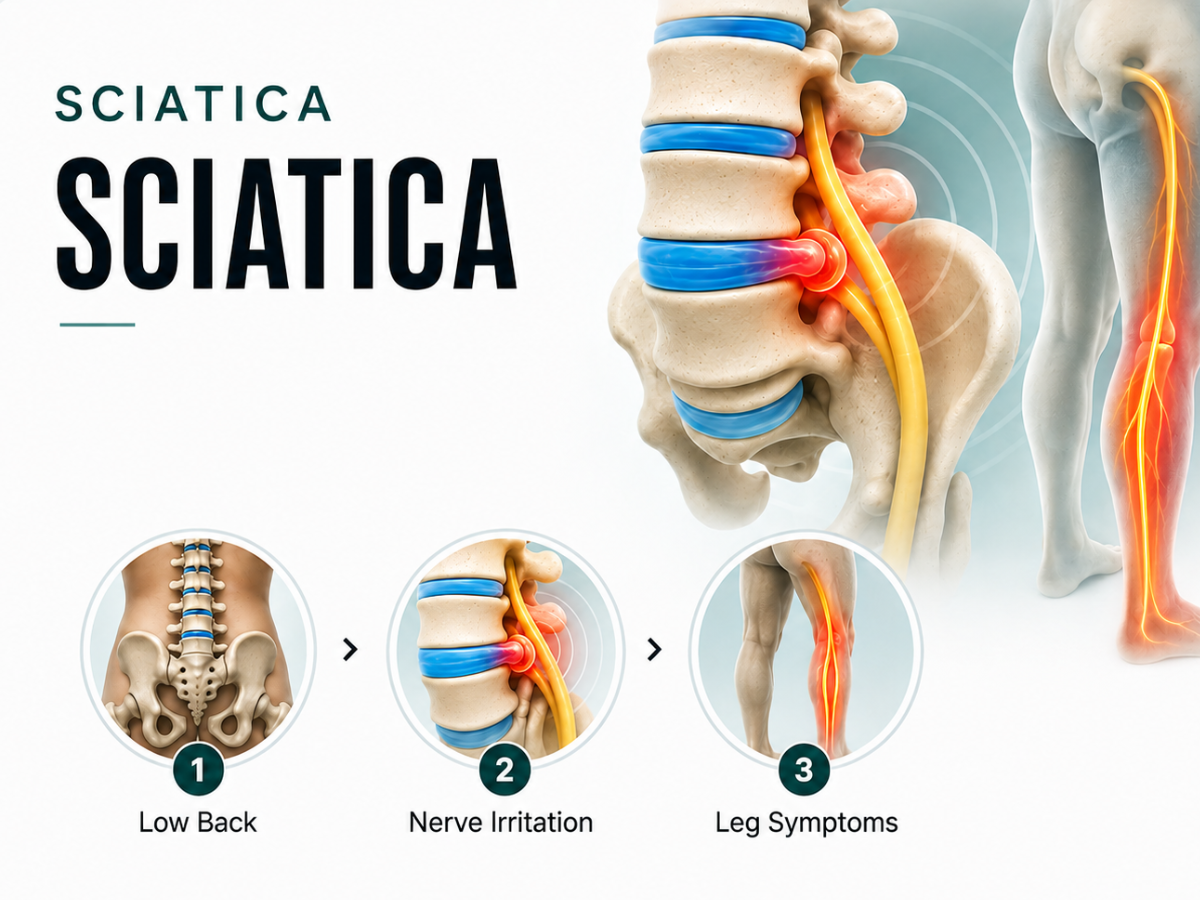
Sciatica happens when a low-back disc or nerve irritation sends pain, tingling, or numbness down the leg. These symptoms can travel from the lower back or glute into the thigh, calf, or foot depending on which nerve is irritated.
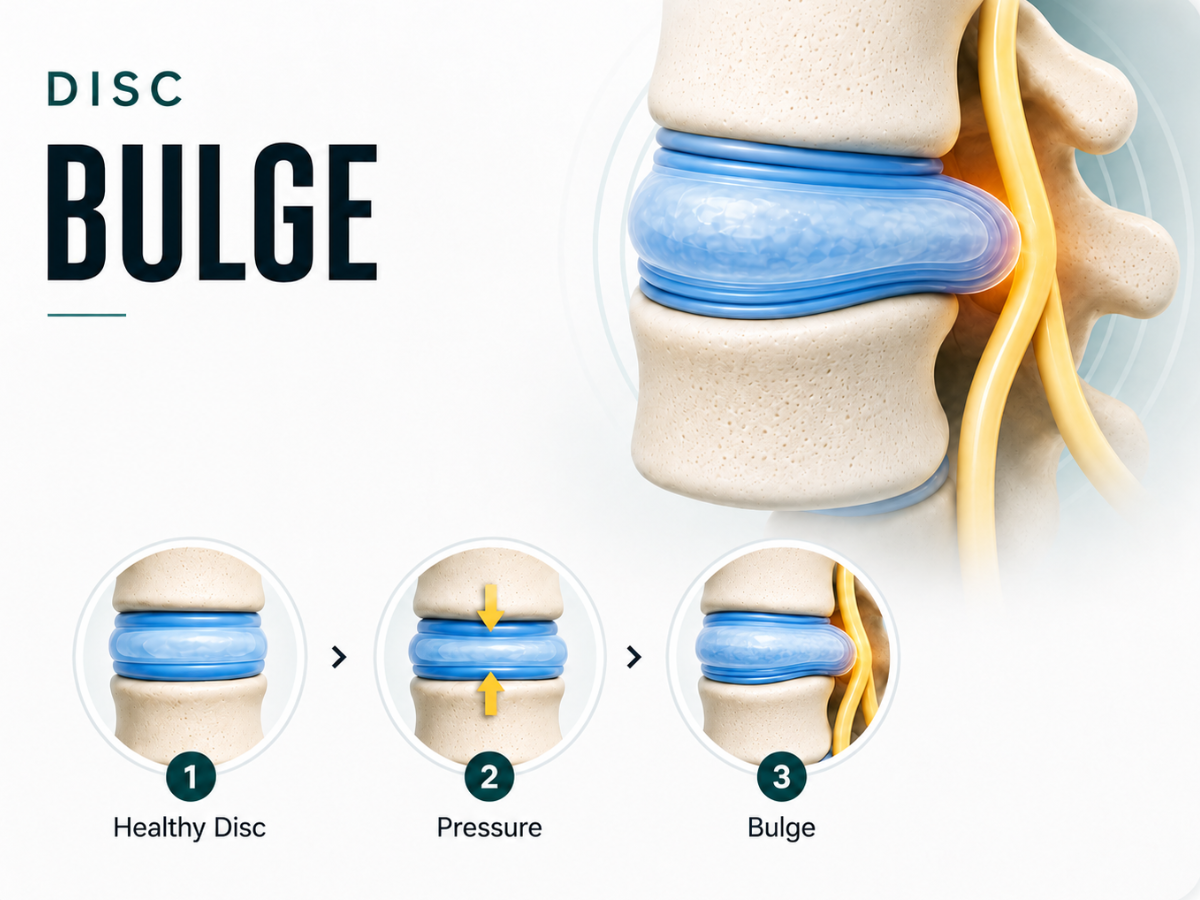
A bulging disc pushes outward under pressure. This can lead to stiffness, pain, or irritation in nearby nerves. If the bulge crowds a nerve root, symptoms may also travel into the glute, leg, arm, or other areas.
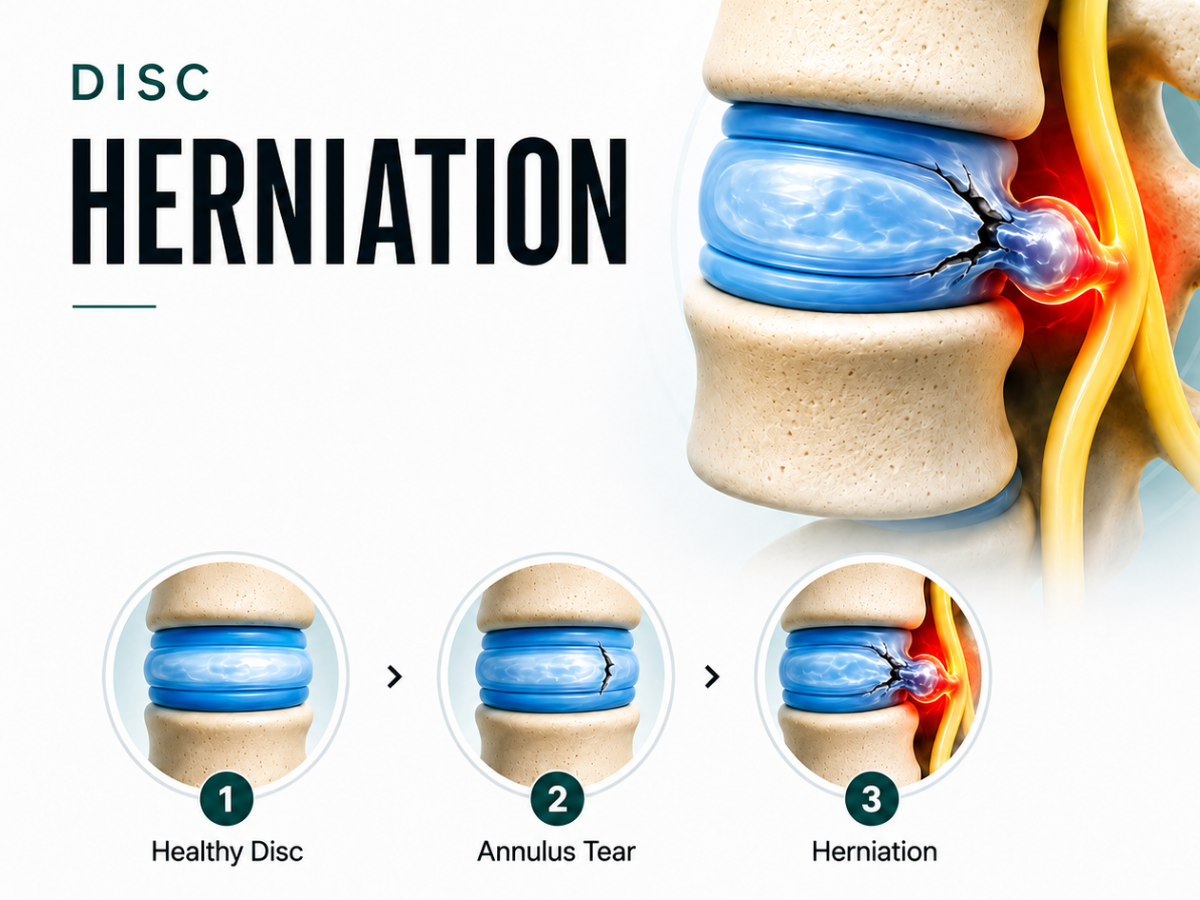
When the soft inner material of a spinal disc pushes through a tear in the tough outer layer, it can press on nearby nerves— causing pain, numbness, tingling, or weakness.
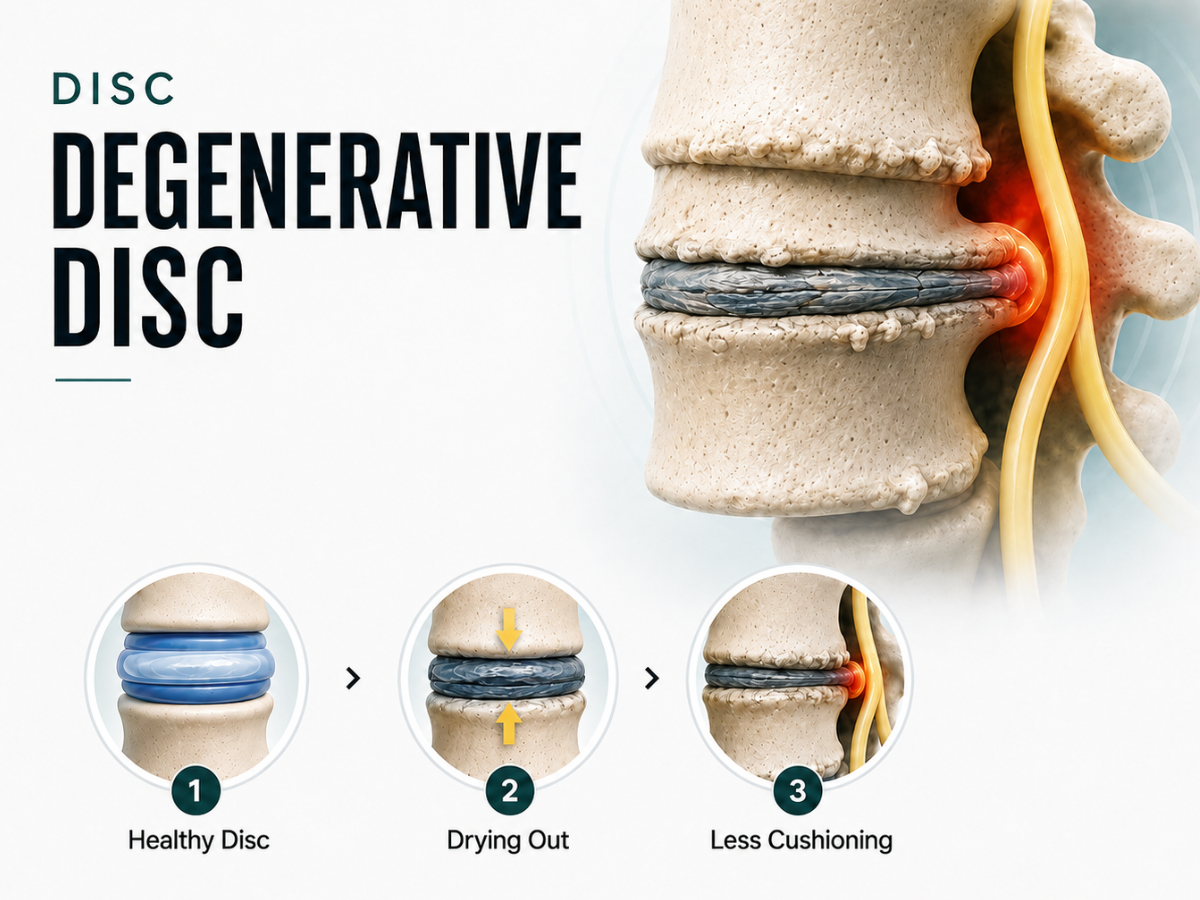
A degenerative disc loses water, height, and cushioning over time, which can lead to stiffness, pressure, and sensitivity. As the disc changes, nearby joints and nerves may take on more stress, making certain movements or positions uncomfortable.
— What it actually does
Our specialized decompression table uses a calibrated, precision-controlled process that is applied at the exact spinal column level which is identified by uniquely calibrating to your body.
We use a gentle pull-and-release method to create negative pressure inside the disc to gently reduce pressure on irritated nerves and gives the spine space to heal.
01
Creates negative pressure inside the disc, helping reduce compression and draw bulging disc material away from irritated nerves
02
Bypasses the body’s natural muscle guarding response through smart, algorithmic tension; reducing muscle tension so the spine can properly heal.
03
Creates a vacuum effect that draws nutrient-rich fluids and oxygen back into the disc, catalyzing natural repair and recovery.
— Matching the Right Therapy
Some conditions and patterns make our patients strong candidates for Decompression.
Patients dealing with other patterns or conditions simply means we carefully evaluate before deciding to treat.
— Expected outcomes
When disc pressure overwhelms tissue and irritates nerves, healing slows down. Decompression creates space — so your body can recover without jumping straight to surgery.
If you’re not responding, we reassess. That may mean adjusting the plan, using another part of our system, or pointing you toward a better next step within our trusted provider network.
Welcome into Midwest Chiro and Wellness Center
What matters is whether your symptoms and function are moving in the right direction during treatment.
Typically 1–2x sessions per week to build momentum and adapt to reduced pressure.
Around 6–12 sessions is where most patients begin to feel real change.
The goal isn’t to keep you on the table — it’s for your body to take over.
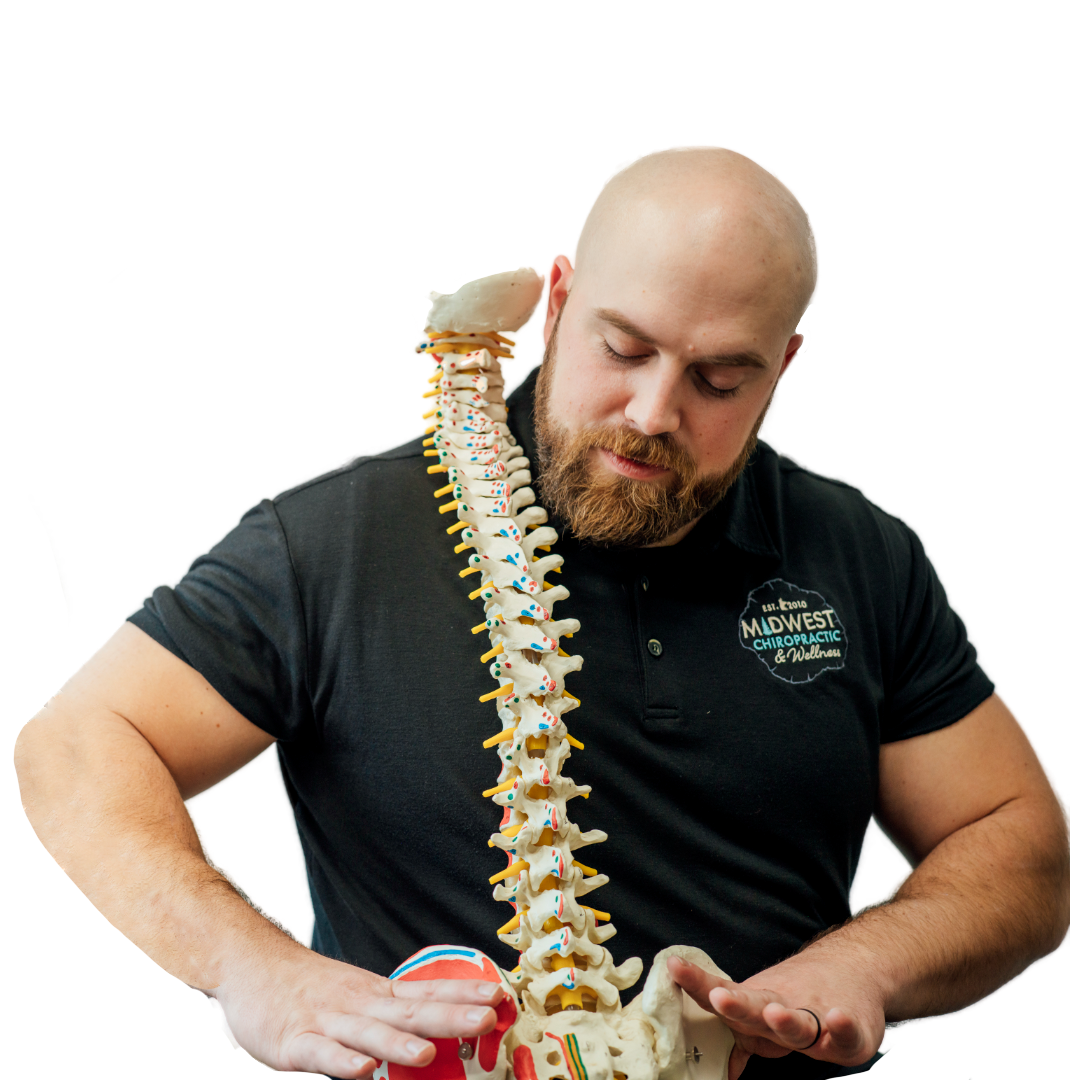
"How Decompression actually works."
"I avoided surgery — and got my life back."
"Disc Bulge on your MRI?... Now What?!."
"Avoid Spinal Surgery"
"Pushy Chiropractors Suck!"
— Proof in pressure release
See the therapy in action. Along with patient education, stories and good ole’ fashion fun times at the clinic. Nothing beats real people talking through how they came in with the same questions you’re asking now.
— Your First Visit
Some people notice meaningful improvement early. Others need more time for irritation to settle and movement tolerance to build
Here’s Exactly What To Expect.↓
We start with what you’re feeling, how it behaves, your history, and any relevant imaging. Then we look for the pattern behind the irritation– not just where it hurts.
We review together what we discovered about your pain, then we precisely calibrate the table for your body, comfort, tolerance, and the area we’re targeting.
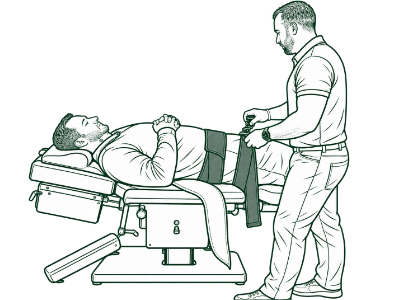
You’ll experience gentle pull-and-release cycles while relaxing on the decompression table. The cycling is designed to gently reduce pressure and calm irritated nerves.
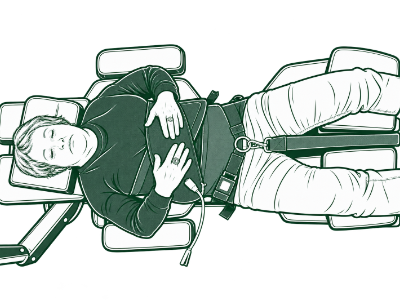
After your first session is complete, we check in, retest where needed, and use that information to help guide our plan for what makes sense next in your care.
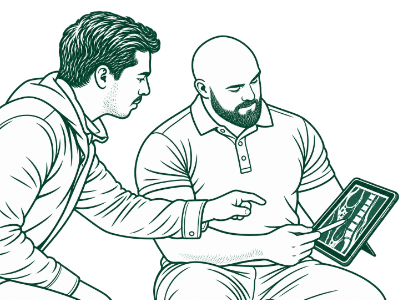
40–50 min
15-25min
You Won’t Feel Rushed–we keep the process clear, comfortable, and focused.
The hardest part is taking the first step. After that, you’ve got an entire team in your corner.

— THE MIDWEST CHIRO APPROACH
Sometimes Decompression is enough!
Other times, we coordinate multiple therapies to address deeper issues or a different part of the problem.
This interactive guide needs JavaScript. You can call 952-303-4590 or text 952-333-4368 with a question.
— FAQ’s
If you’ve been hesitant about decompression therapy, this section is for you.
— No fluff just what we’d tell a friend asking the same thing.
Text or call the docs directly — fastest way to get a real answer.
☎️ CALL US
·
💬 TEXT US
Traditional traction generally applies a more constant pull. Our decompression approach uses controlled pull-and-release cycles and is calibrated to your body, tolerance, and the area being treated.
That gradual cycling is designed to create space while helping reduce the tendency for surrounding muscles to brace against the treatment.
Most patients describe it as a gradual stretching or unloading sensation — not sharp or aggressive.
You remain comfortable and able to communicate throughout the session, and we can adjust the settings if something doesn’t feel right.
It depends on what we’re treating, how long the problem has been present, and how your body responds.
Many patients begin noticing meaningful changes somewhere within the 6–12 session range, but that isn’t a guaranteed timeline or a preset package for everyone.
The goal is to make progress and eventually graduate from care — not stay on decompression indefinitely.
Decompression is a non-surgical option that may be worth considering for certain disc-related problems, but no treatment can promise that surgery will never be necessary.
We evaluate your case first and will be straightforward about whether decompression appears appropriate — or whether your situation needs a different level of care.
Sometimes — but it depends on the type of surgery, the area involved, and whether hardware is present.
Previous surgery does not automatically mean decompression is appropriate or inappropriate. We evaluate that history carefully before recommending treatment and will tell you if we believe another option is safer or more appropriate.
If you’re not responding the way we expect, we don’t simply keep repeating the same treatment.
We may change the approach, use another part of the 3-Point Healing System, or refer you to a specialist in our trusted clinical network when that makes more sense.
If it isn’t working, we change the plan.
Spinal decompression itself is offered with self-pay pricing, and we review the cost with you before beginning care.
Other parts of your treatment plan — such as chiropractic adjustments, therapeutic services, or rehabilitation — may have insurance coverage depending on your individual plan.
— Ready when you are
If pressure is the root issue — let’s address it directly.